Optimal Sleep Hygiene for Better Mental Performance
When it comes to achieving peak mental performance, a well-rested brain is the ultimate asset. However, getting quality sleep is easier said than done in today's fast-paced world. The good news is that implementing optimal sleep hygiene practices can significantly improve the quality of your sleep, leading to better mental performance, mood regulation, and overall well-being.
The Science Behind Sleep Hygiene
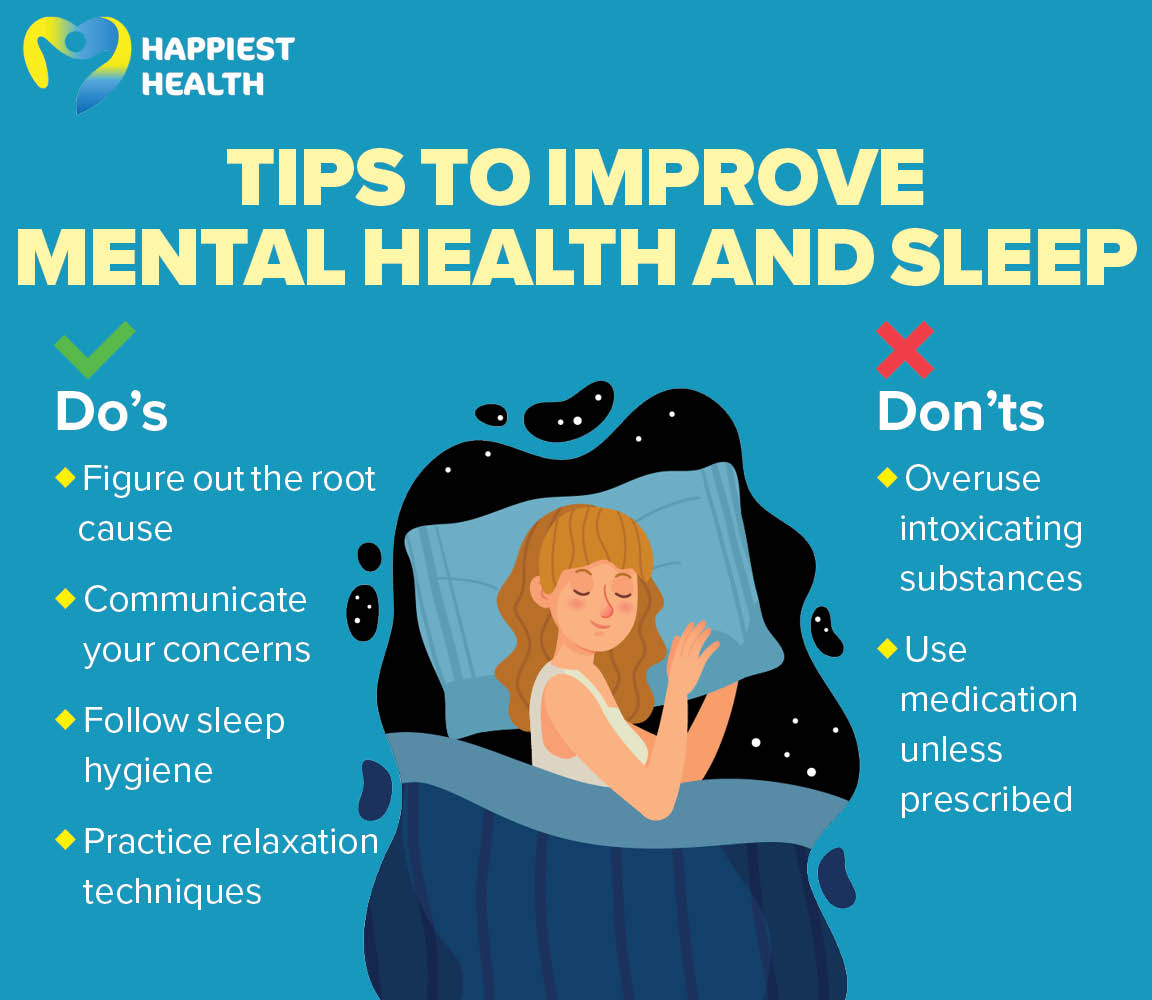
Sleep hygiene encompasses the habits and practices that encourage restful, high-quality sleep. These routines are essential for sustaining optimal physical and mental health, as well as overall well-being. Research has shown that proper sleep hygiene can significantly impact mood regulation, cognitive performance, and overall psychological resilience. As a fundamental aspect of psychological health, these science-backed practices help regulate the body's circadian rhythms, promoting a restful and rejuvenating sleep experience.

The 5 Principles of Sleep Hygiene
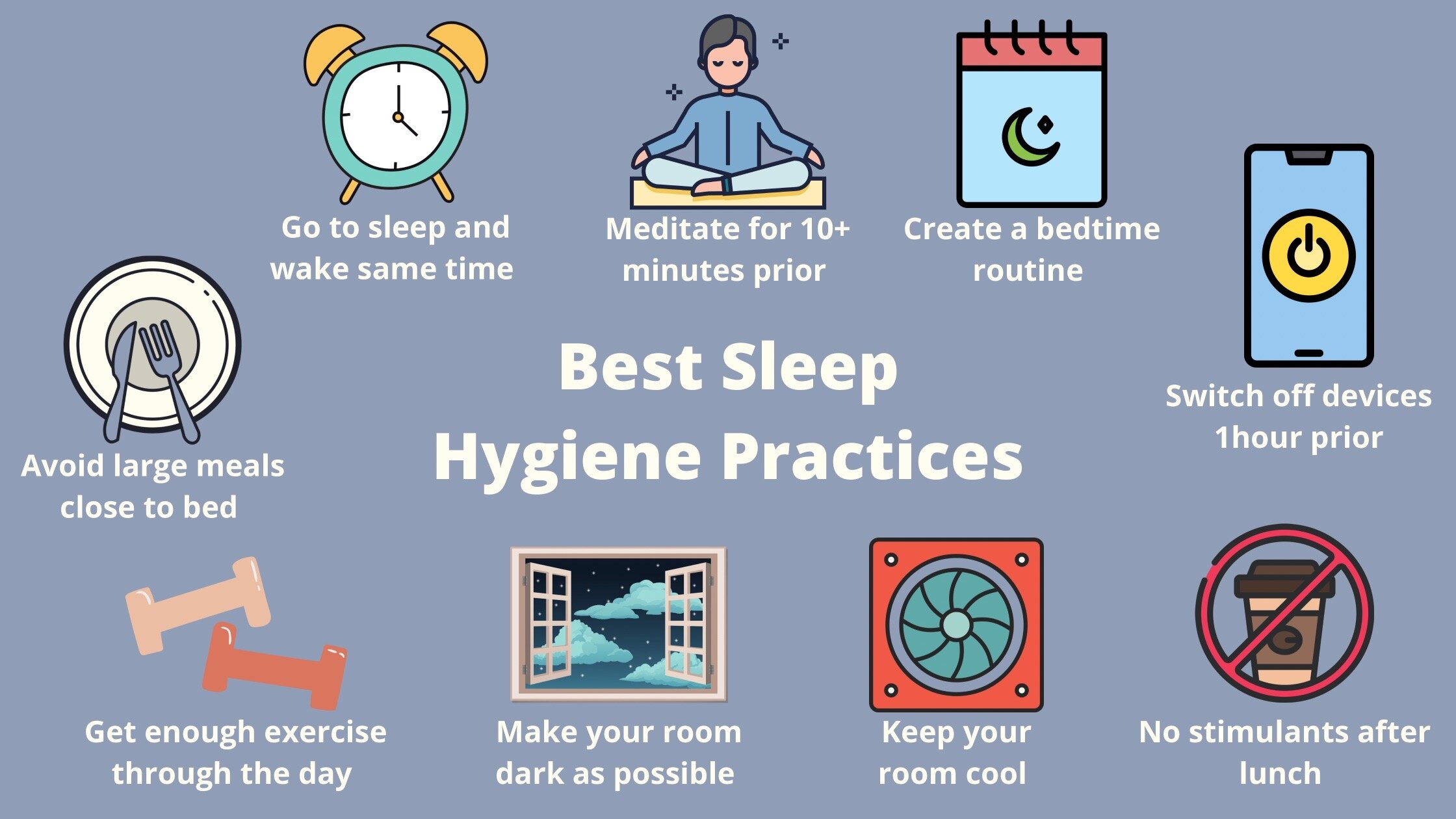
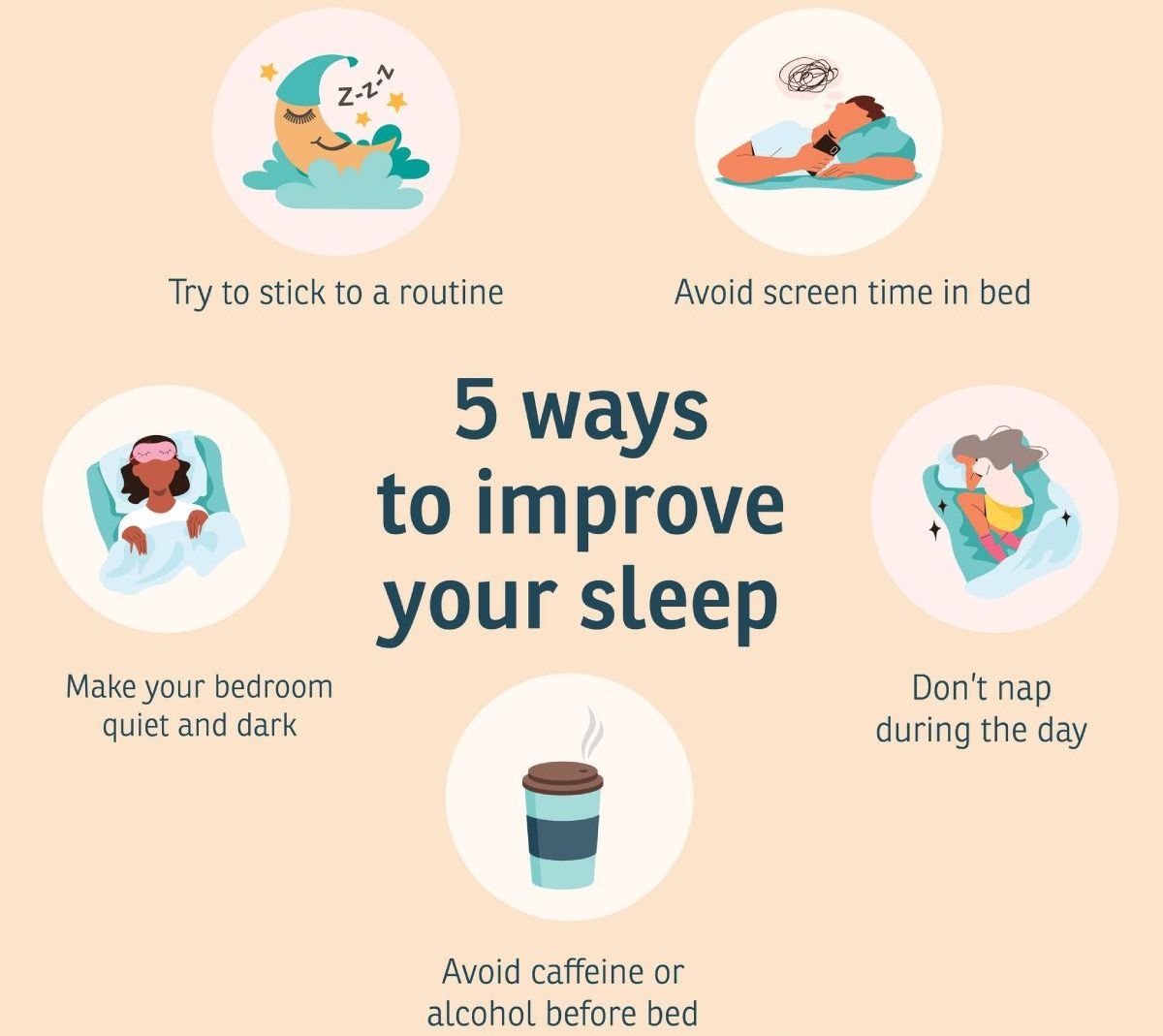
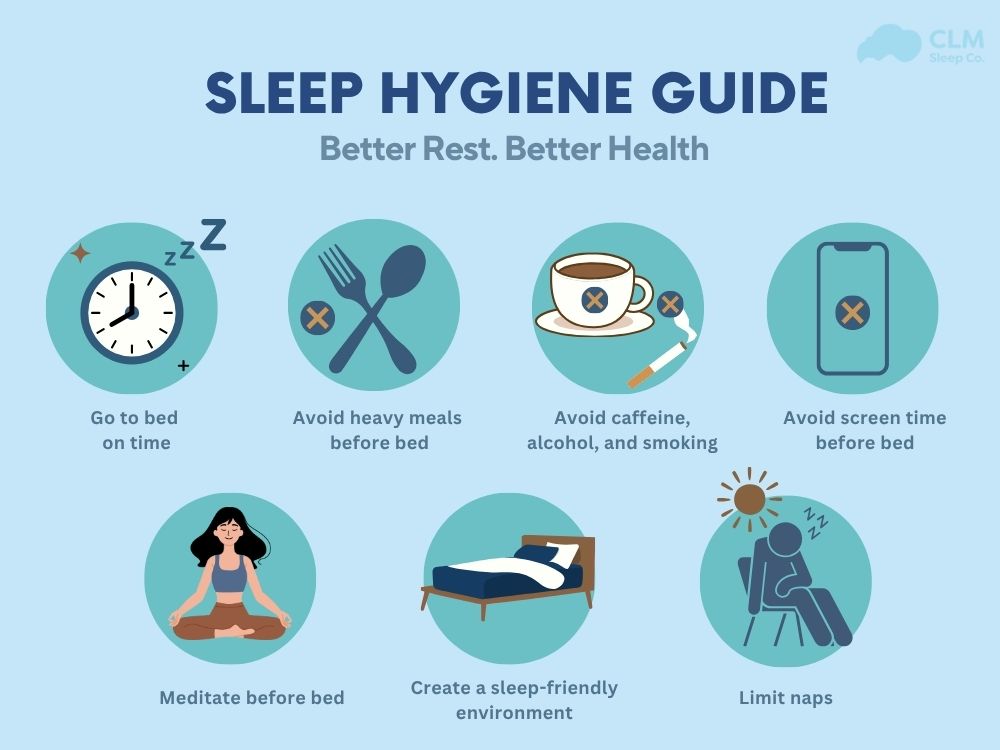
- 1. Establish a Consistent Sleep Schedule - Go to bed and wake up at the same time every day, including weekends, to regulate your body's internal clock.
- 2. Create a Sleep-Conducive Environment - Make your bedroom a sleep sanctuary by ensuring it is dark, quiet, and cool. Consider using earplugs, a white noise machine, or blackout curtains if necessary.
- 3. Develop a Relaxing Bedtime Routine - Engage in calming activities before bed, such as reading, meditation, or deep breathing exercises, to signal to your brain that it's time to sleep.
- 4. Limit Exposure to Screens Before Bed - The blue light emitted from smartphones, tablets, and computers can suppress melatonin production, making it harder to fall asleep.
- 5. Avoid Stimulating Activities Before Bed - Avoid consuming heavy meals, engaging in intense exercise, or participating in stimulating conversations before bedtime, as they can interfere with your ability to fall asleep.