Strategic Planning for Remote Teams: A Game-Changer for Distributed Workforces
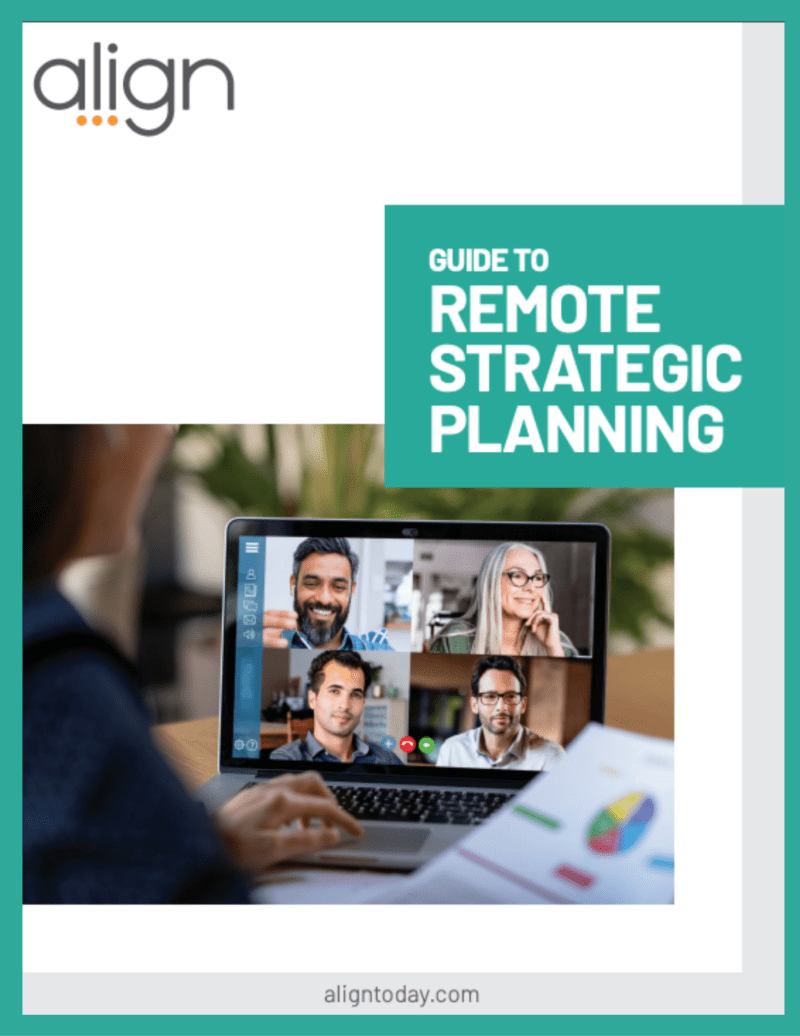
With the rise of remote work, traditional models of strategic planning are no longer effective. In-person meetings and watercooler interactions are being replaced by virtual interactions and collaborative digital tools. As a result, many organizations are struggling to keep up with the changing landscape, relying on outdated models that fail to meet the needs of their remote teams. It's time to rethink the way your organization approaches strategic planning for remote teams.
The Challenges of Remote Strategic Planning
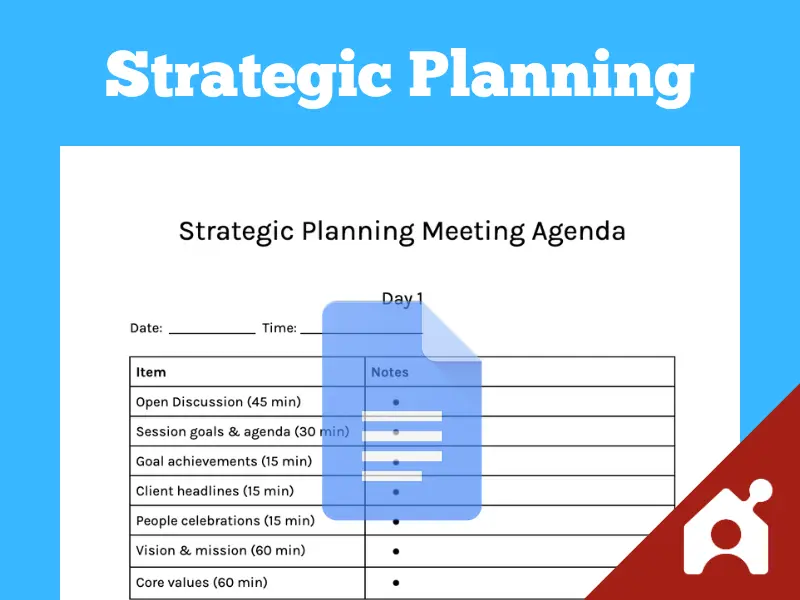
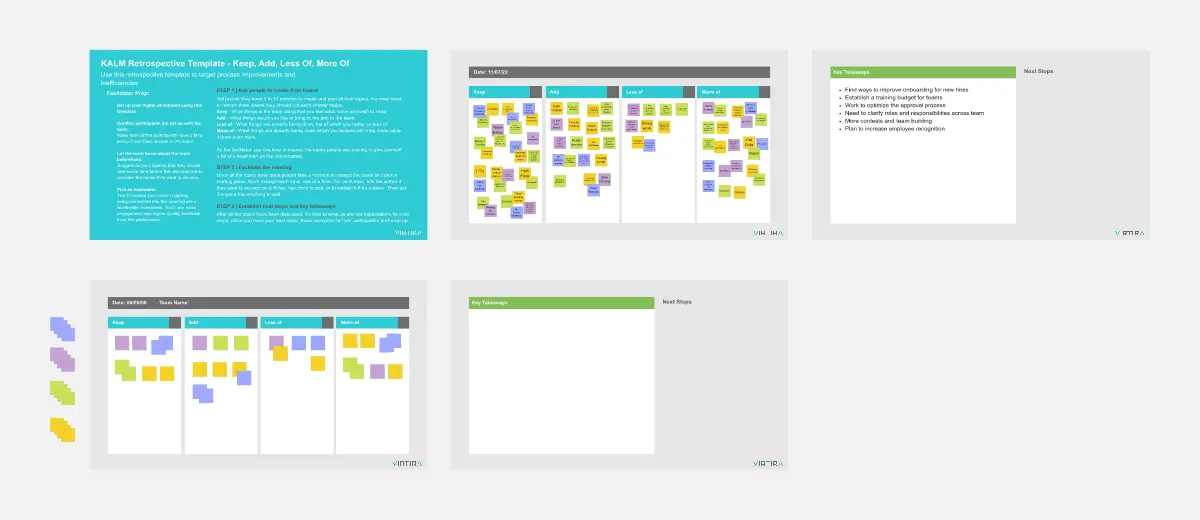
Running strategic planning sessions with people in the same room is one thing. Doing it across time zones, cameras, and calendars is another. The good news is that remote planning is not a downgrade. With the right habits, you can gain clearer thinking, better documentation, and wider participation. Teamland, an all-in-one team building platform, offers tools and resources to facilitate effective remote planning.

Strategic Planning for Virtual Teams
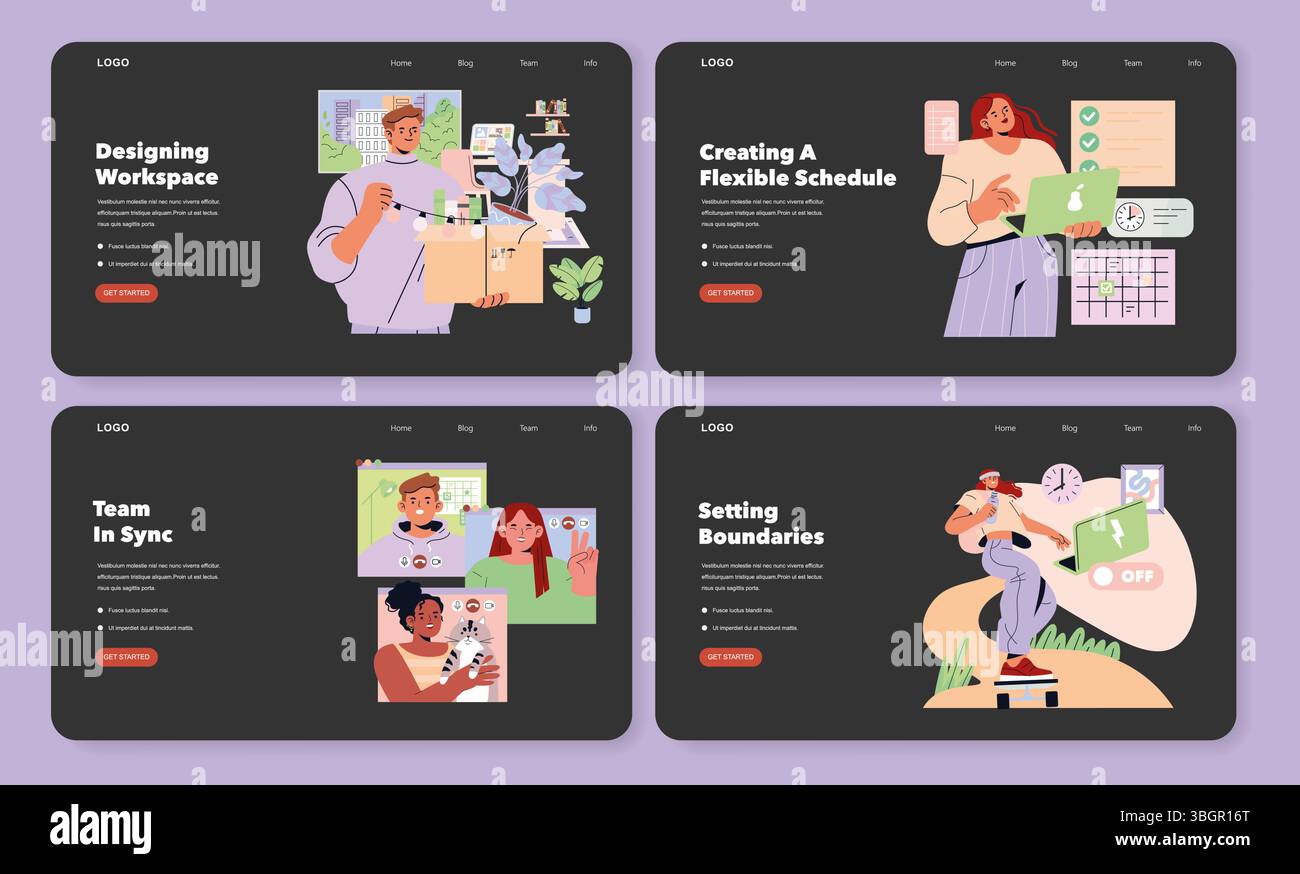
Strategic planning for virtual teams is the process of intentionally organizing, guiding, and supporting remote groups to achieve shared goals, relying on clear communication, well-defined systems, and effective collaboration. It requires leaders to think differently about how they engage their teams, leverage technology, and build relationships.