Tissue Damage and GLP-1 Suppression: A Delicate Balance
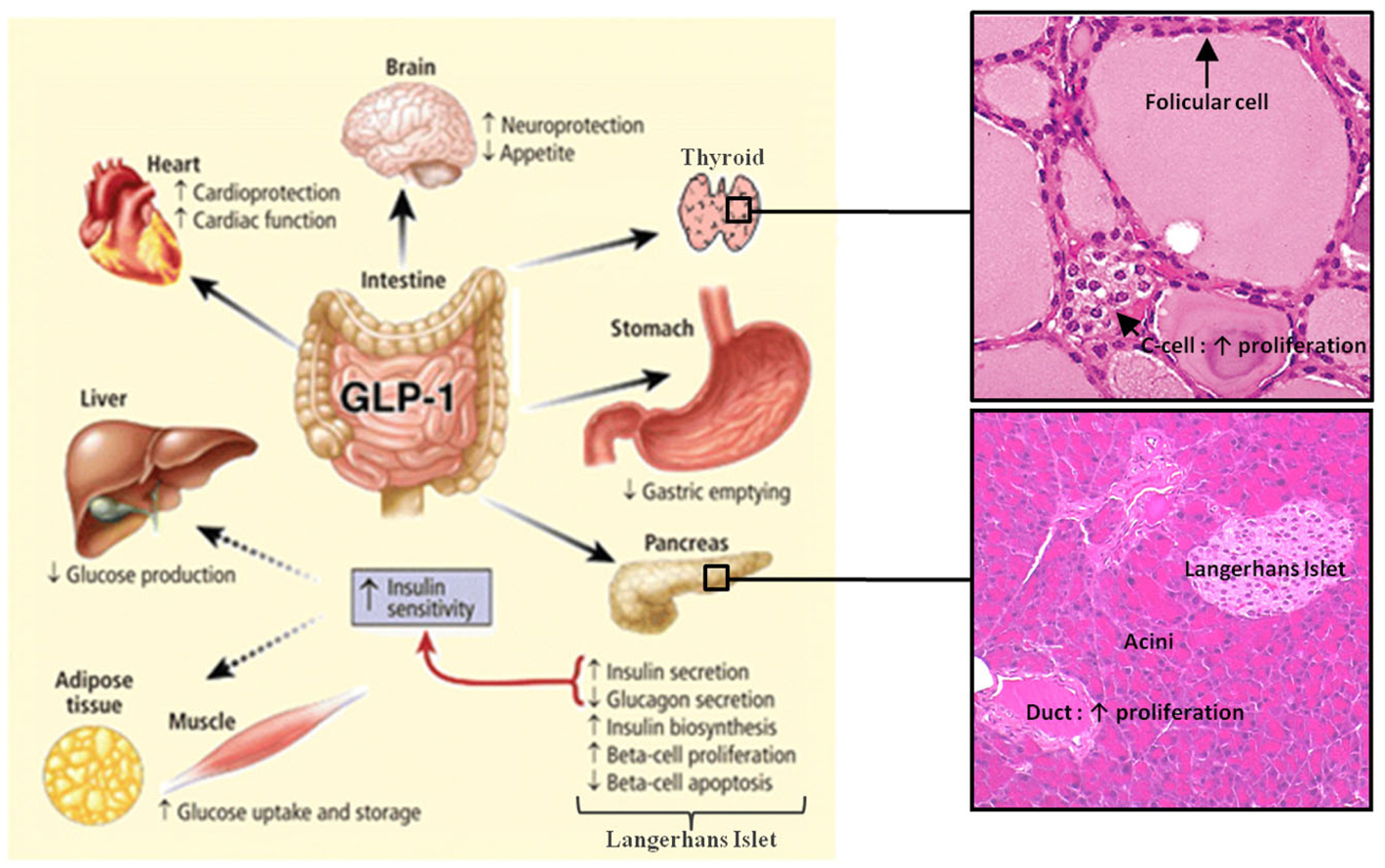
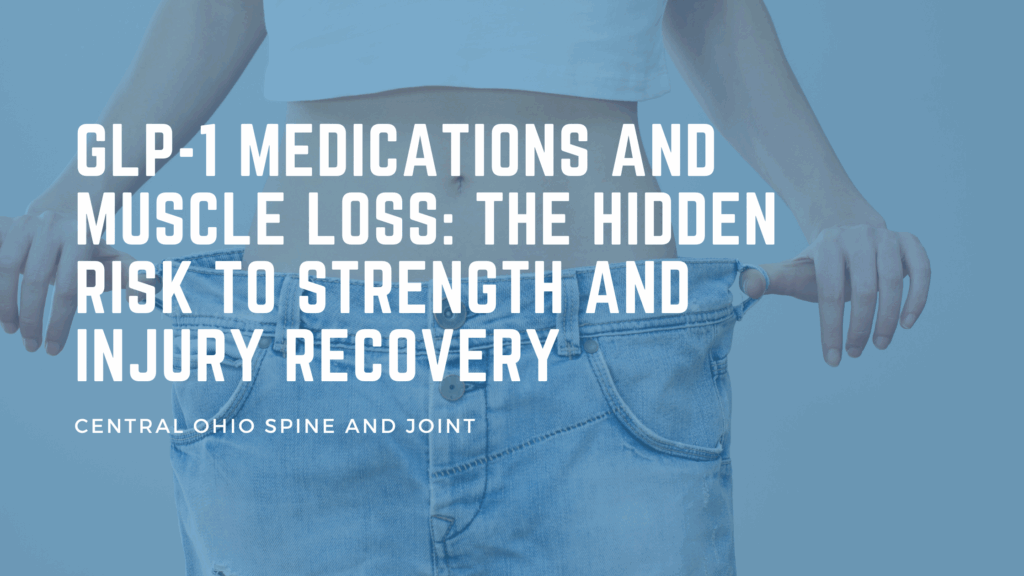
Tissue damage and GLP-1 suppression have emerged as crucial considerations in the management of various diseases, including diabetes, obesity, and cardiovascular disorders. GLP-1, or glucagon-like peptide-1, is a hormone that plays a vital role in glucose homeostasis, appetite regulation, and tissue repair. However, the rapid weight loss induced by GLP-1 receptor agonists (GLP-1RAs) can lead to unintended muscle loss, a phenomenon known as GLP-1 muscle loss.
What is GLP-1 Muscle Loss?
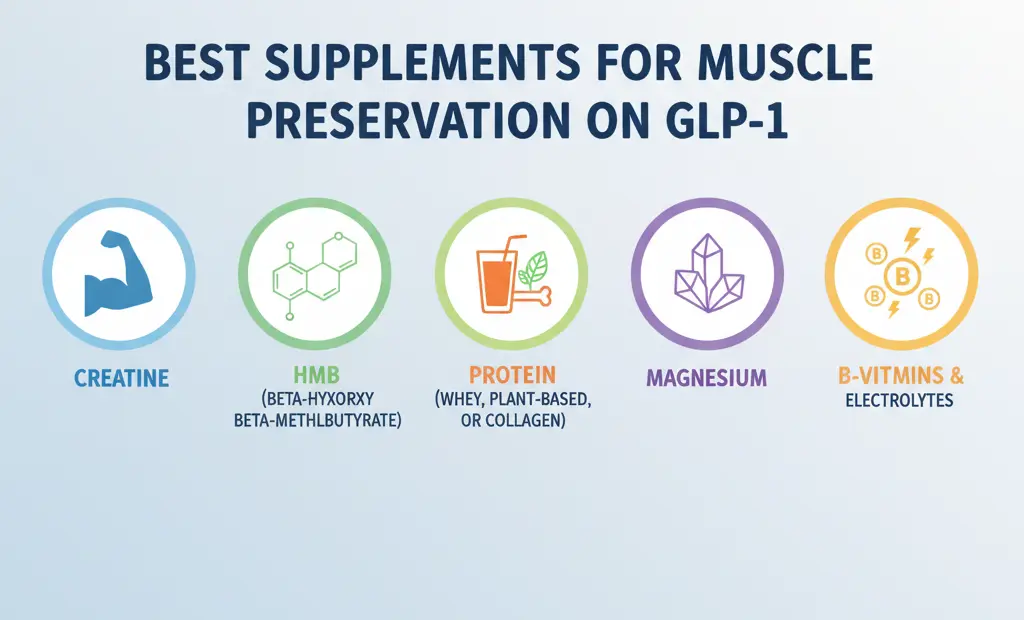
GLP-1 muscle loss occurs when GLP-1 medications trigger rapid weight loss, which includes both fat and lean muscle tissue. Unlike gradual weight loss through diet and exercise, GLP-1 drugs can cause dramatic appetite suppression, leading to insufficient protein intake and muscle breakdown. This phenomenon is particularly concerning in frail or sarcopenic individuals, who are already at risk of muscle wasting.
The Hidden Impact of GLP-1 Suppression on the Brain
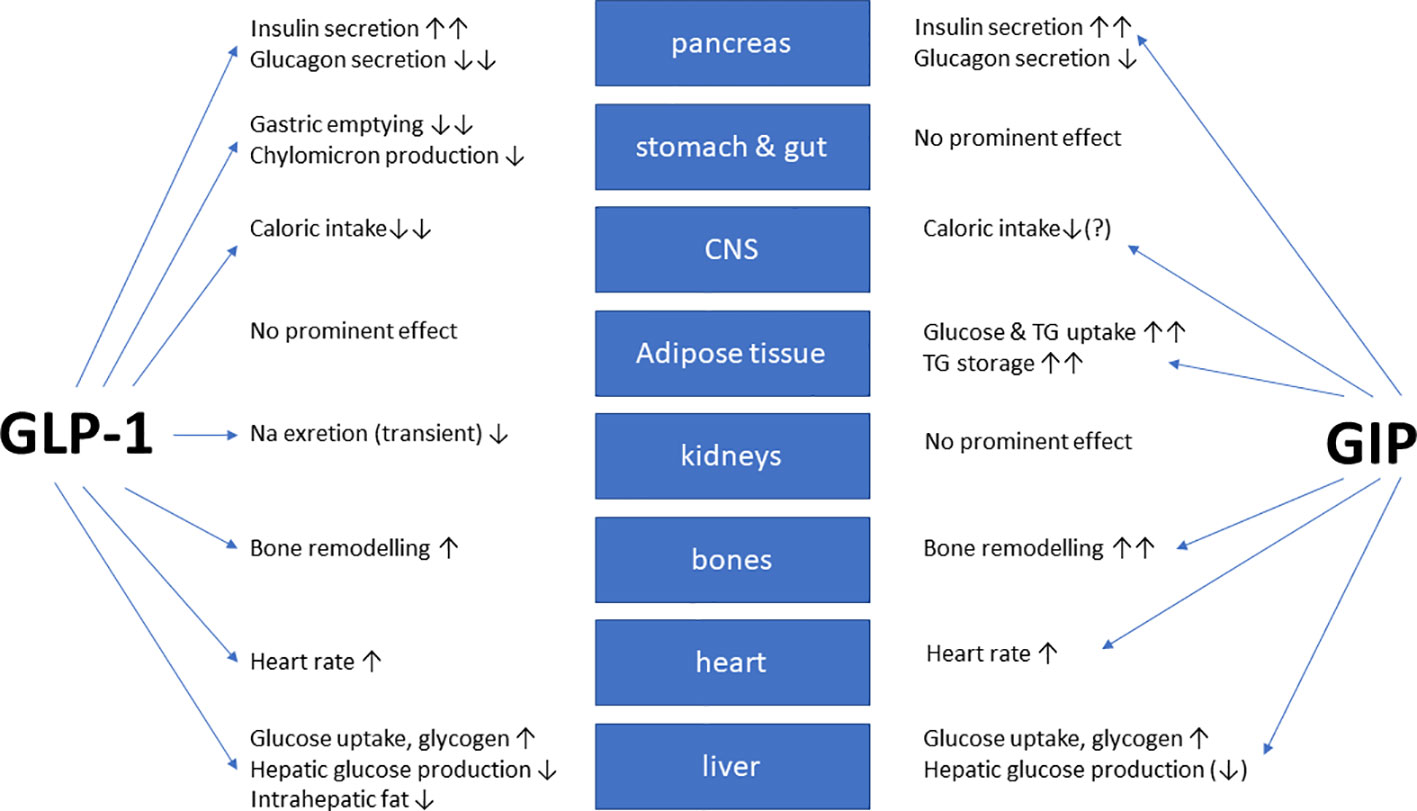
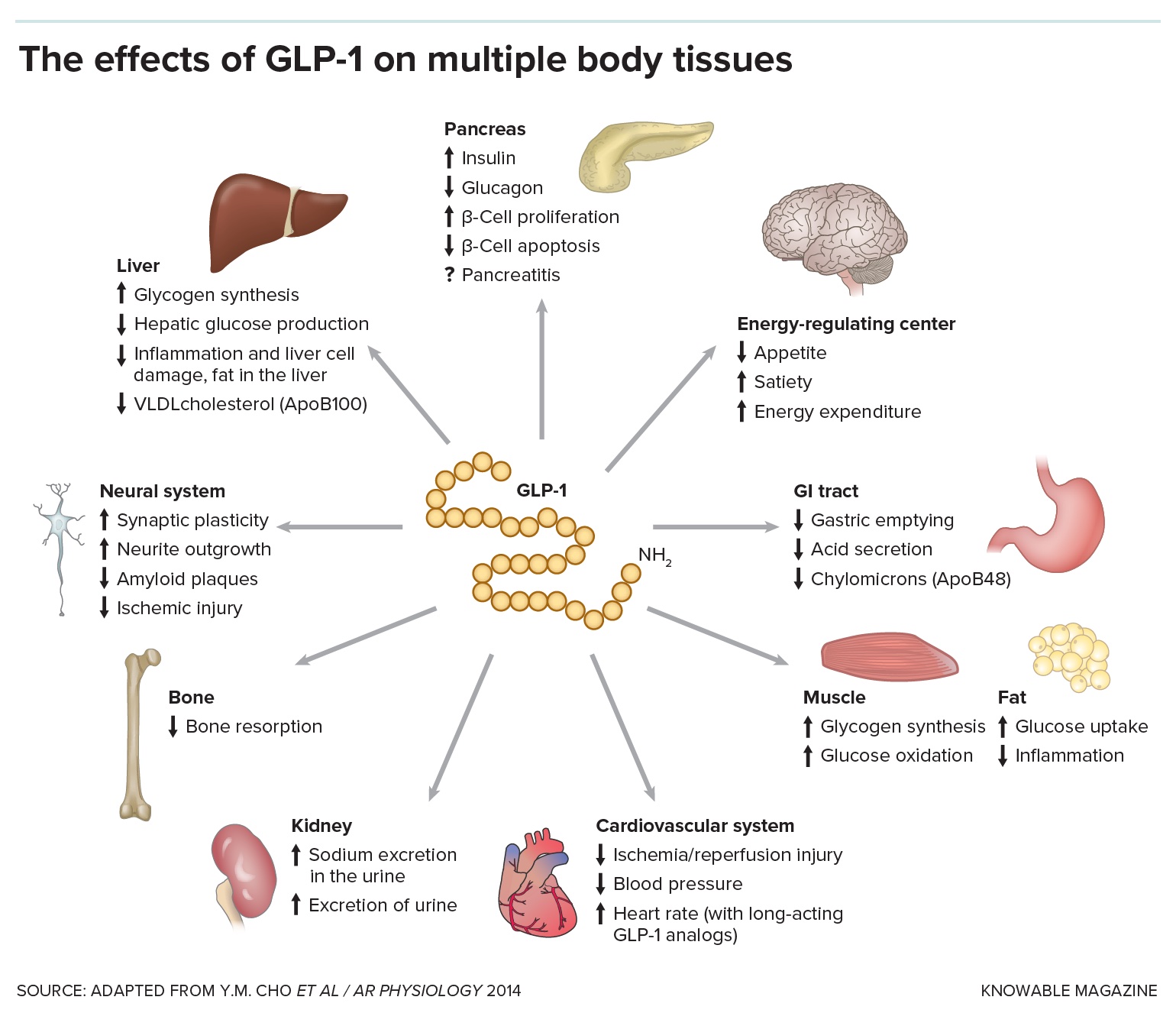
While GLP-1 medications have revolutionized weight loss and diabetes management, their impact on the brain and appetite regulation is not always evident. GLP-1 works by slowing gastric emptying and enhancing satiety signals, but this can lead to a "perfect storm" for cardiac cell failure, particularly in individuals with pre-existing cardiovascular disease.