Urethane Resin Casting for 3D Printing: A Comprehensive Guide
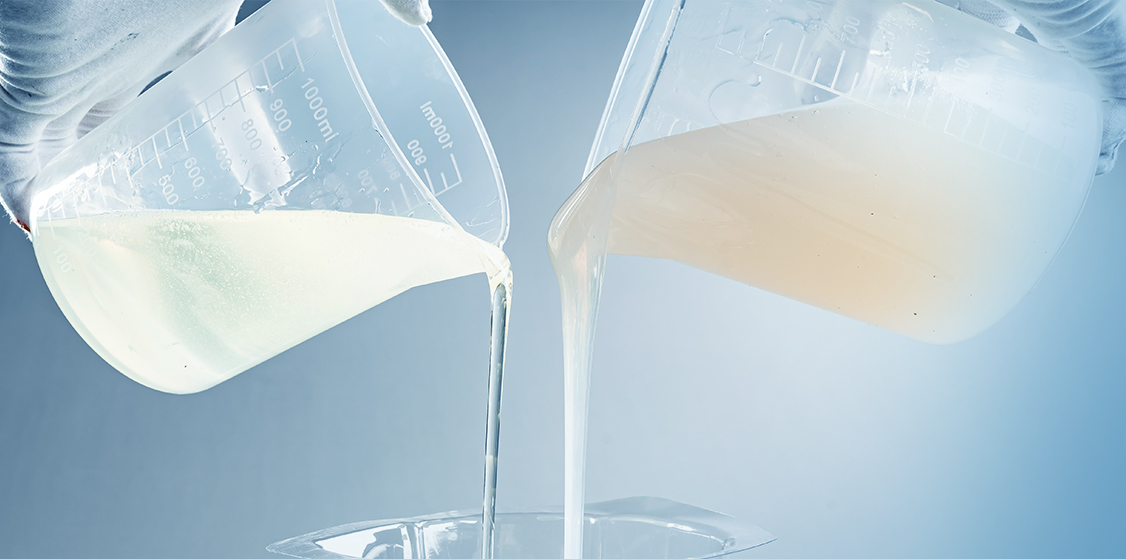
Urethane resin casting, also known as vacuum casting or polyurethane casting, is a versatile and cost-effective manufacturing and prototyping process that utilizes a two-part urethane resin to produce production-quality replicas of a master model. This method is ideal for creating low to medium volumes (less than 30) of parts, particularly those with intricate geometries.
Understanding Urethane Resin Casting
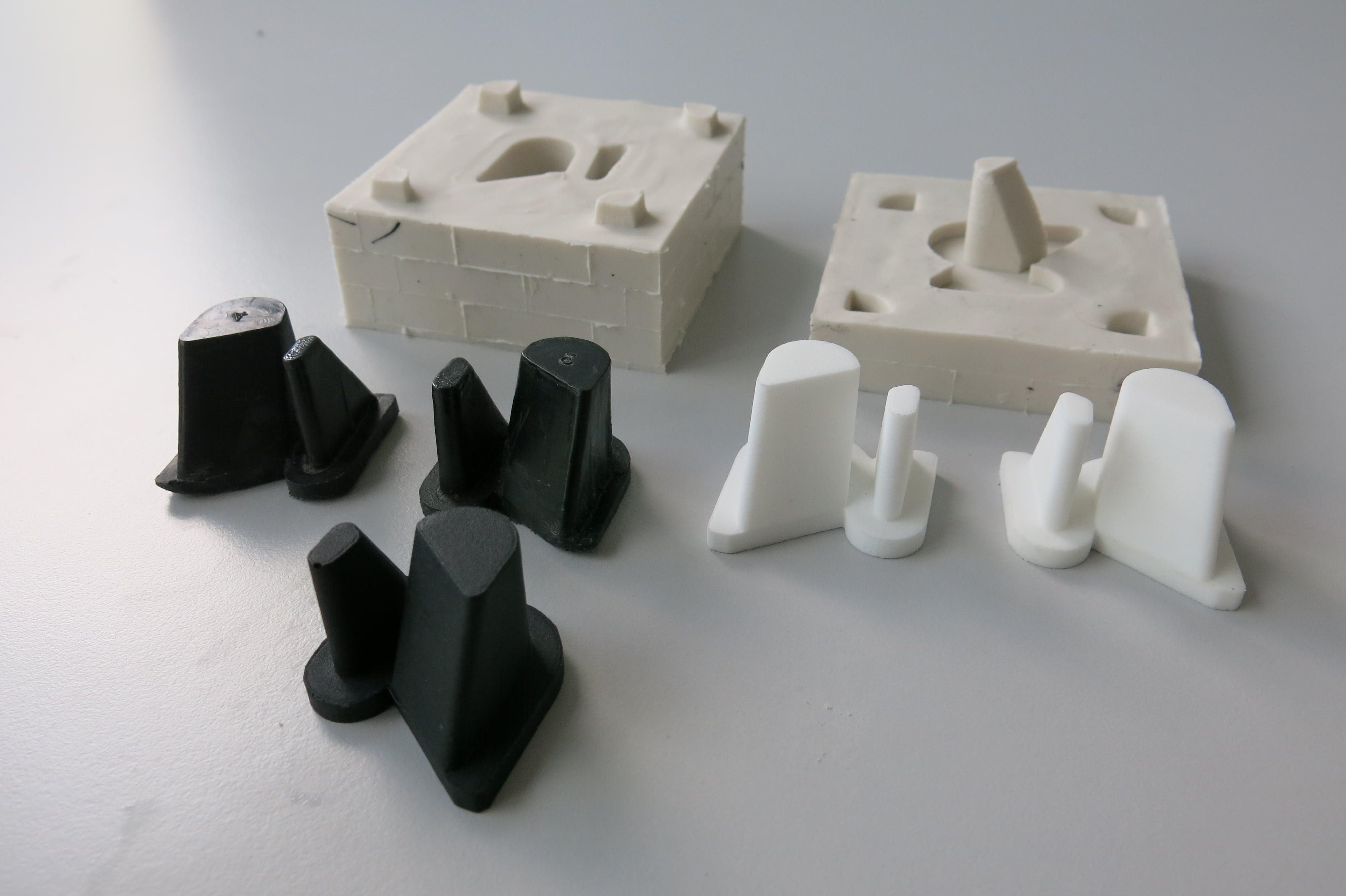
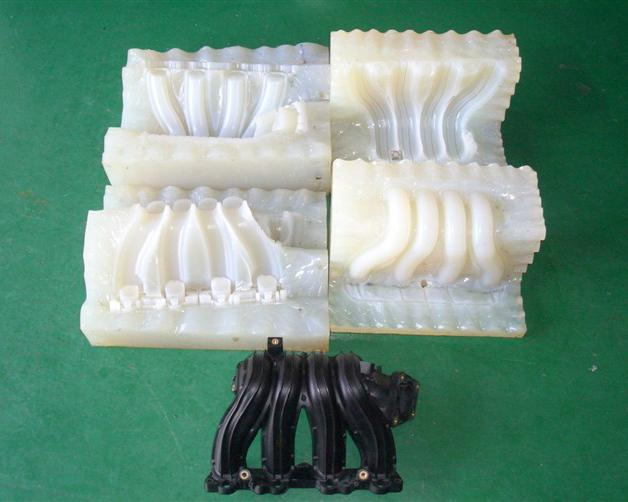
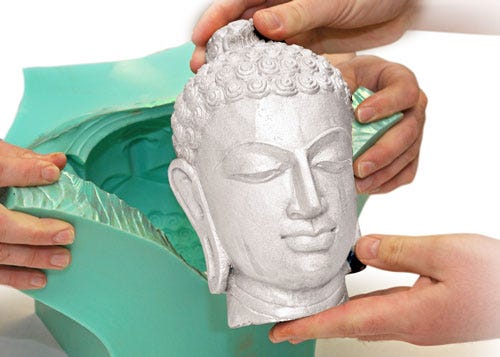
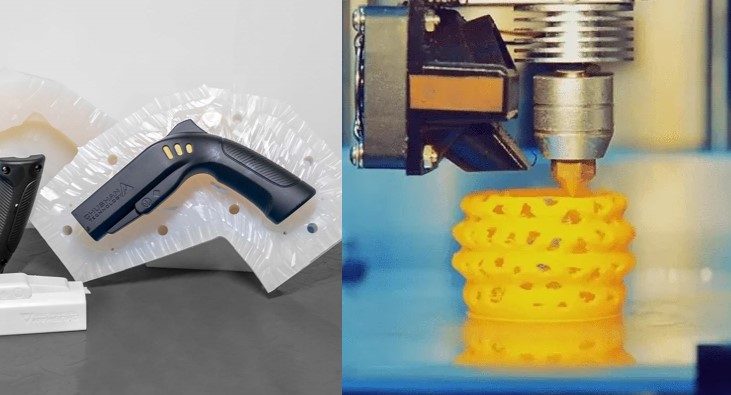
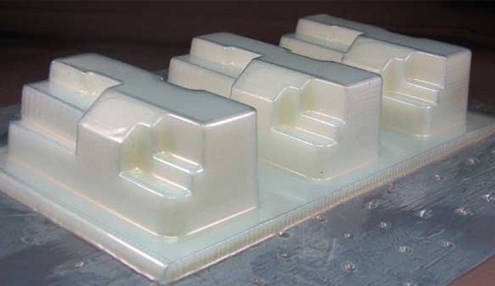
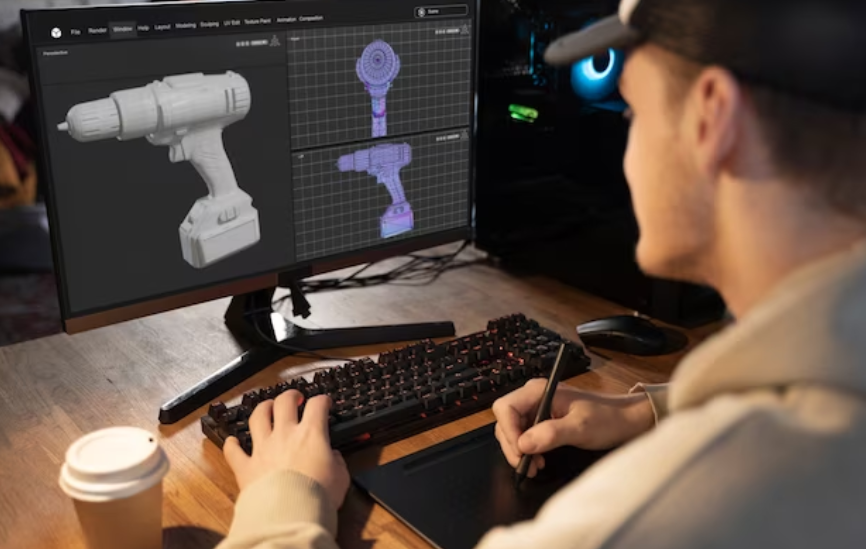
Urethane resin casting involves the creation of a master model, typically manufactured by 3D printing or CNC machining, which is then encased in silicone to form a mold. The liquid urethane resin is poured into the mold cavity, and under vacuum, it solidifies, eliminating bubbles and ensuring smooth, accurate parts.
Advantages of Urethane Resin Casting
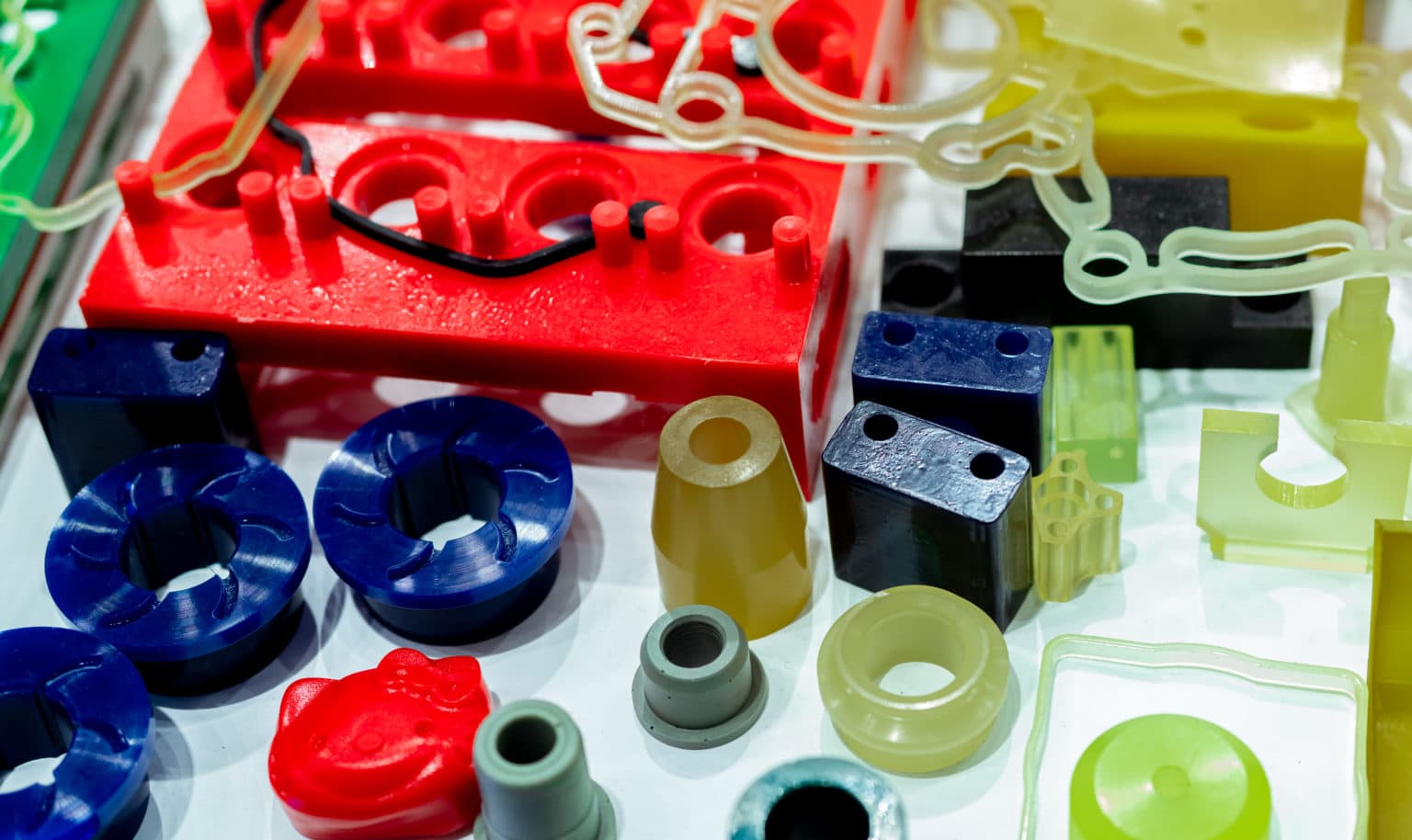
- Low-cost and quick turnaround time for high-quality plastic parts
- Inexpensive and easy-to-produce silicone molds
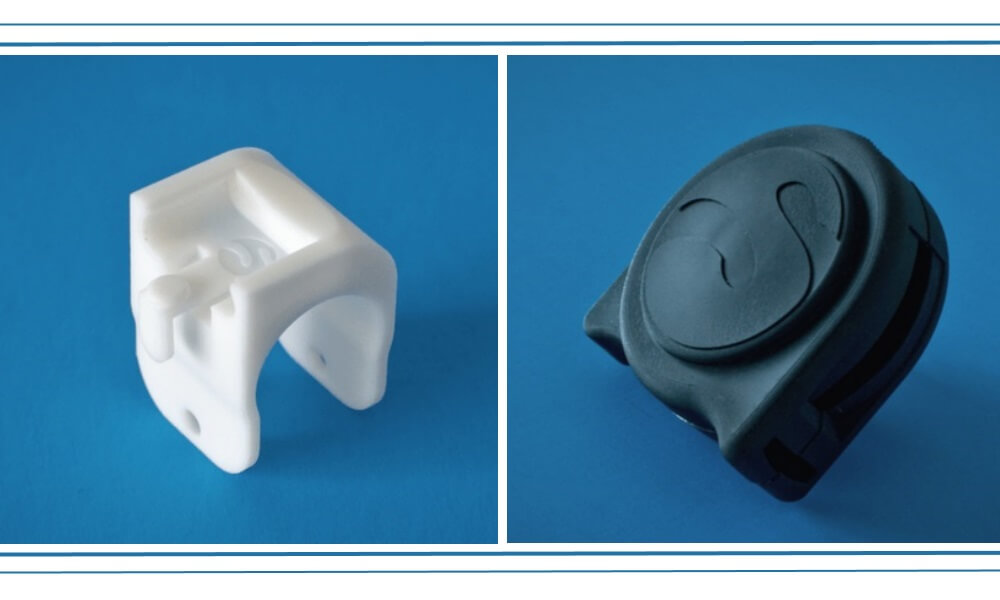
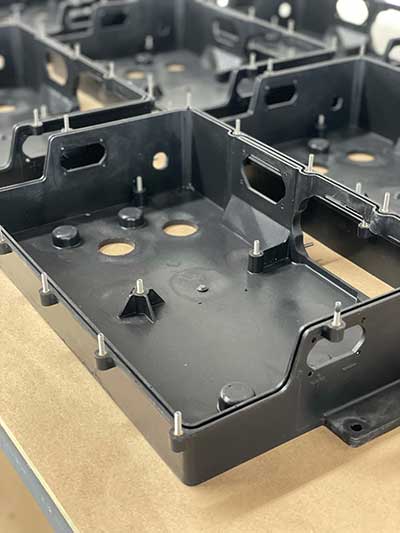
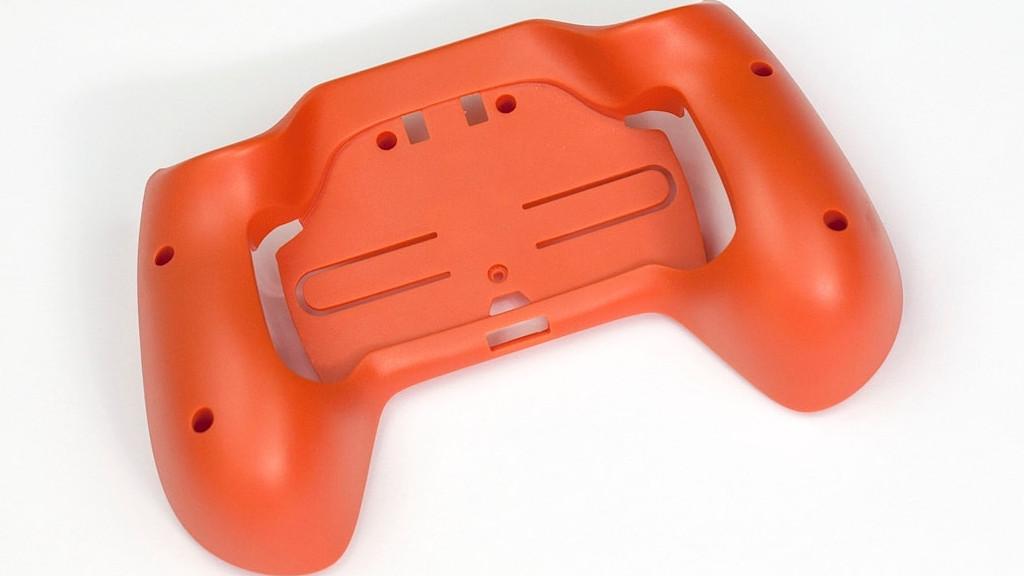
- High-quality, production-grade parts with intricate details and complex geometries
- Low-to-medium volume production capabilities (less than 30 parts)
Urethane Resin Casting Process
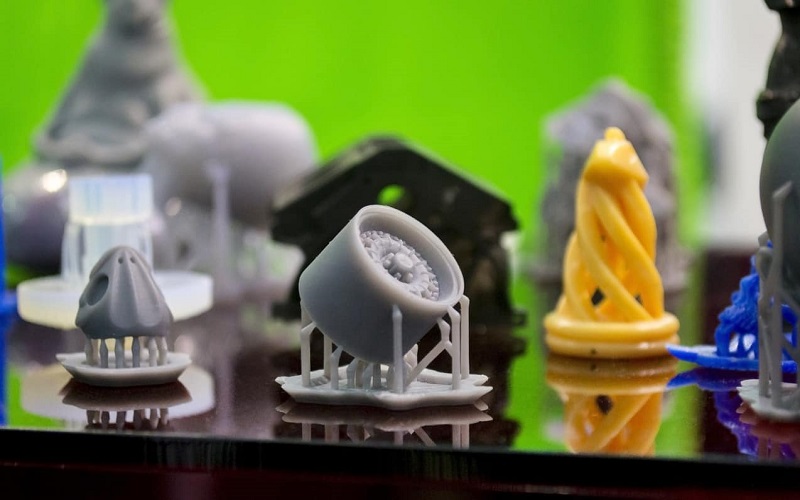
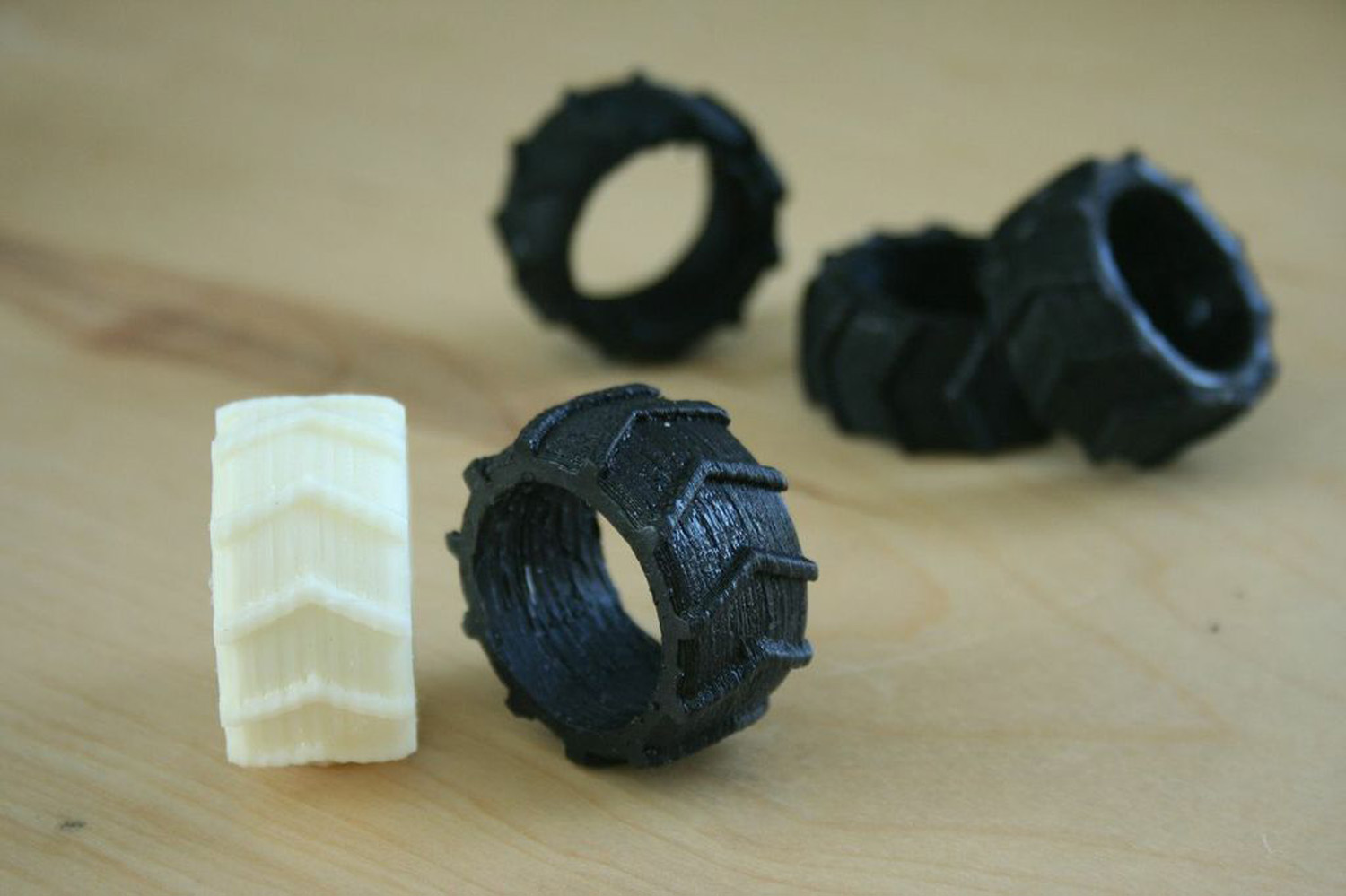
The process of urethane resin casting begins with the creation of a high-resolution master pattern, typically created using SLA 3D printing and hand-finished to capture fine detail. The master pattern is then encapsulated in silicone to form a mold. Next, the liquid urethane resin is poured into the mold cavity, and under vacuum, it solidifies, eliminating bubbles and ensuring smooth, accurate parts.