What Does a DNA Test Show?
As DNA testing becomes increasingly popular, more and more people are curious about what a DNA test can reveal about their health, ancestry, and biological makeup. In this article, we'll delve into the world of DNA testing and explore what a DNA test shows.
What is a DNA Test?
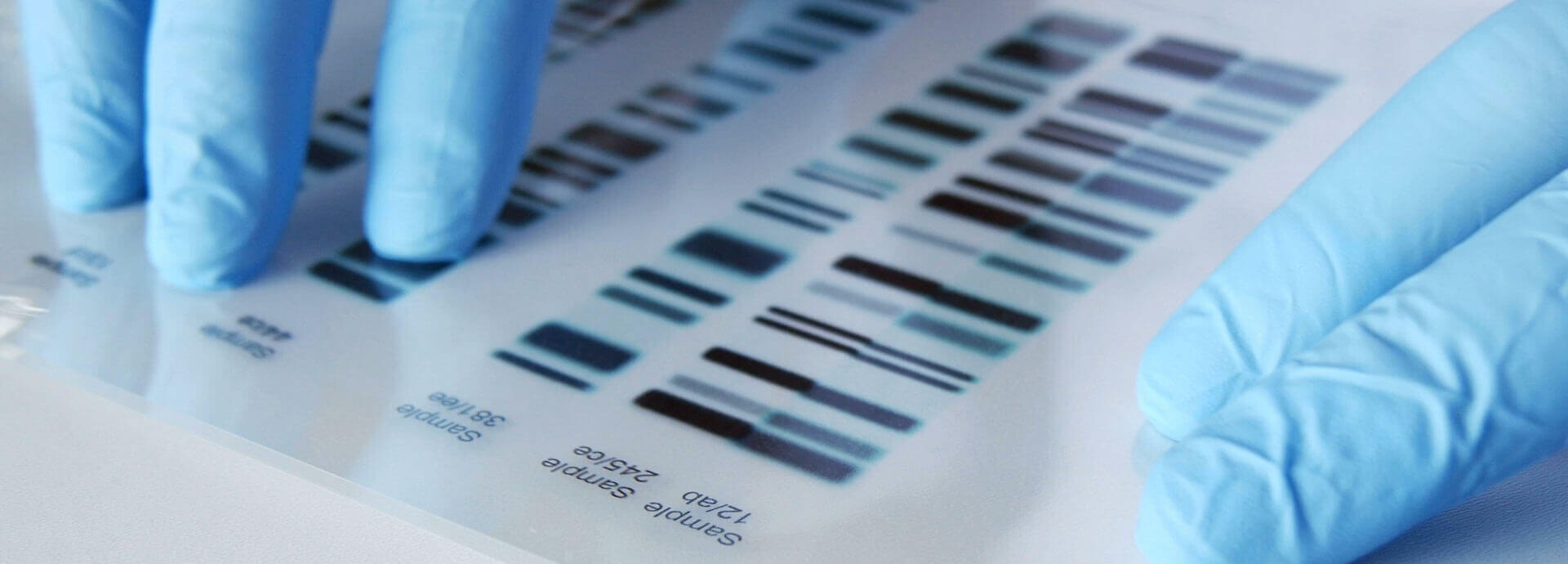
A DNA test, also known as genetic testing, is a lab test that analyzes an individual's DNA to identify changes or variations in their genes, chromosomes, and DNA. These changes can indicate a genetic condition or predisposition to a particular disease. DNA tests can be used for a variety of purposes, including diagnosing inherited diseases, predicting health risks, and exploring ancestry.
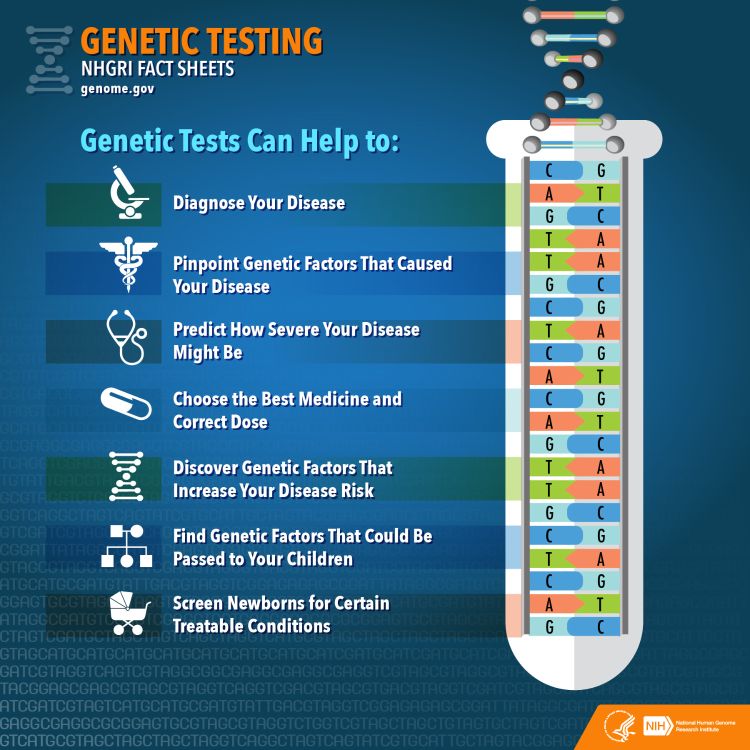
10 Things a DNA Test Can Show
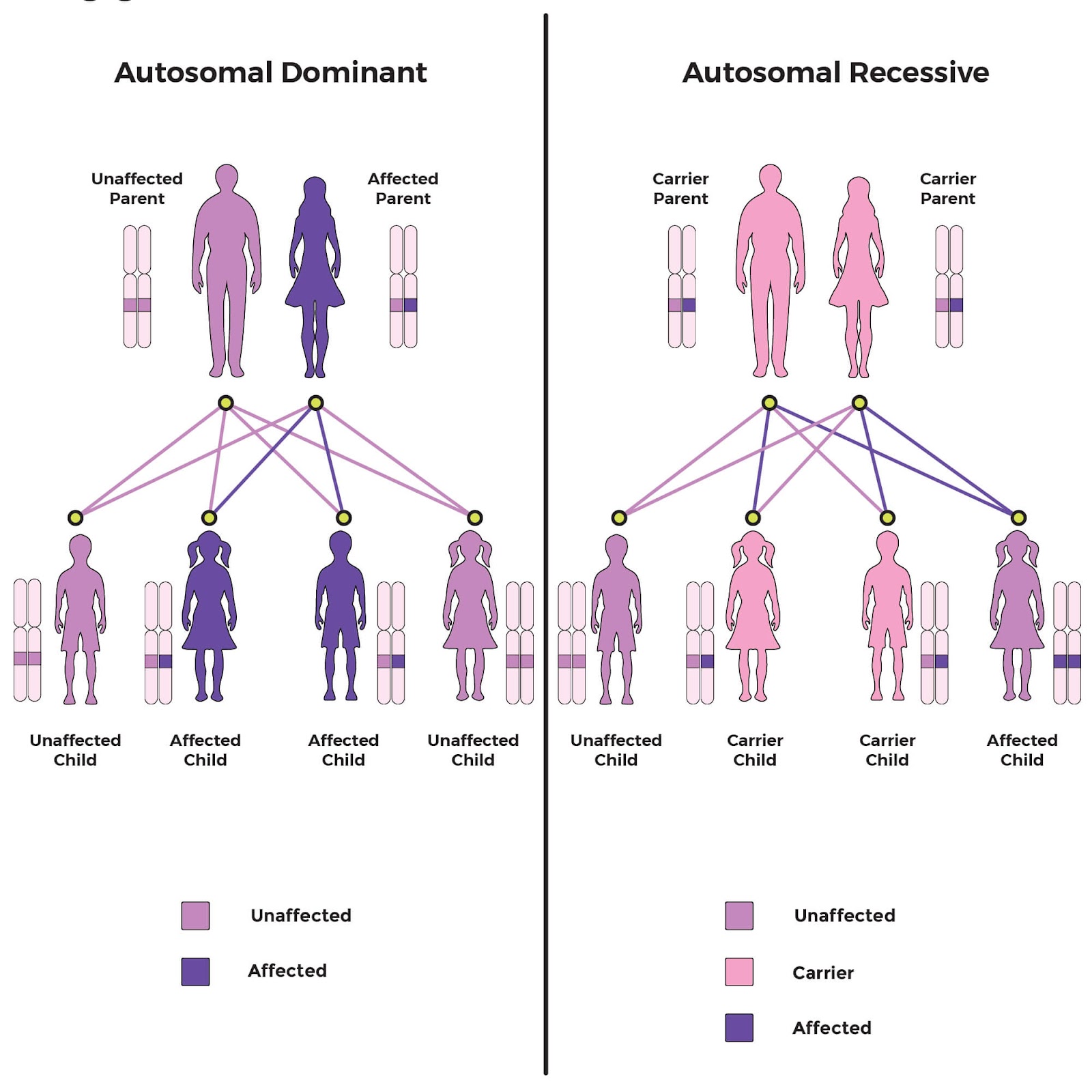
- Inherited Disease Insight: A DNA test can diagnose inherited diseases such as thalassemia, sickle cell anemia, Fragile X syndrome, and Duchenne Muscular Dystrophy.
- Genetic Markers: DNA tests can identify genetic markers that are associated with a particular disease or condition.
- Health Risks: A DNA test can predict an individual's risk of developing certain diseases, such as heart disease or cancer.
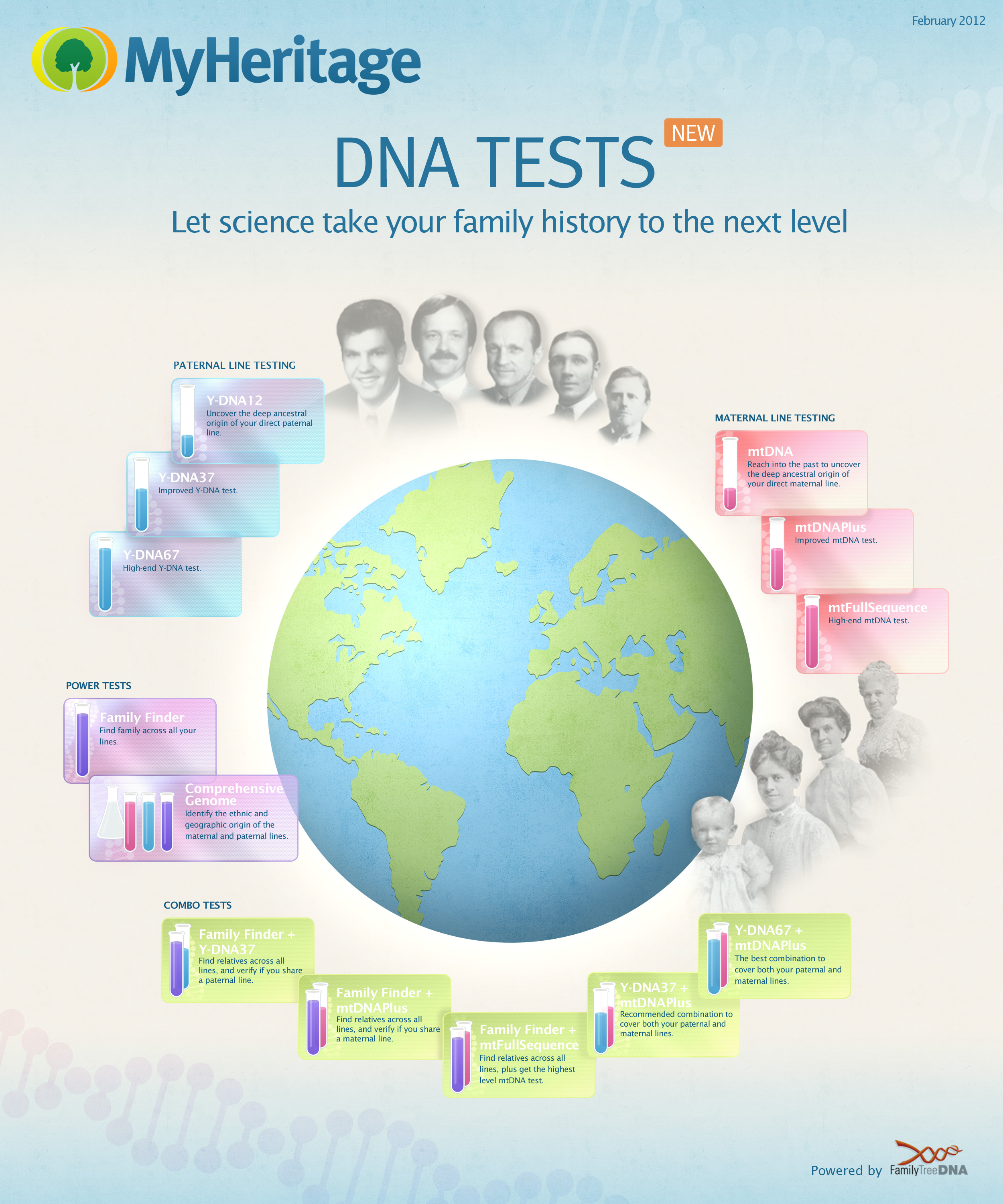
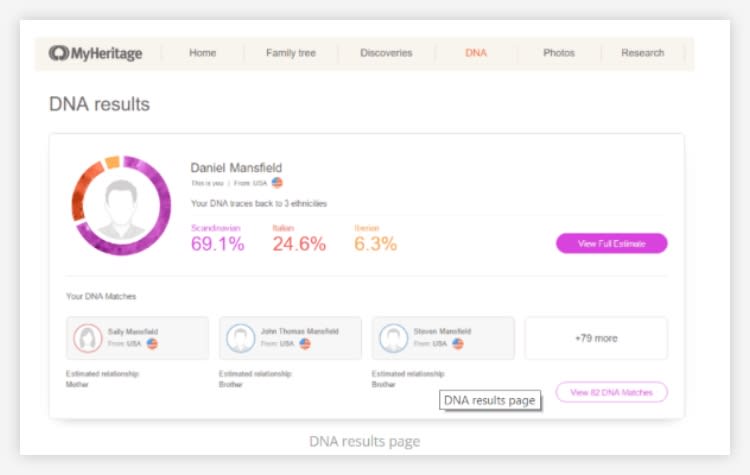
- Ancestry Information: DNA tests can provide information about an individual's ancestral origins and connect them with distant relatives.
- Genetic Traits: DNA tests can reveal information about an individual's genetic traits, such as eye color, hair color, and skin tone.
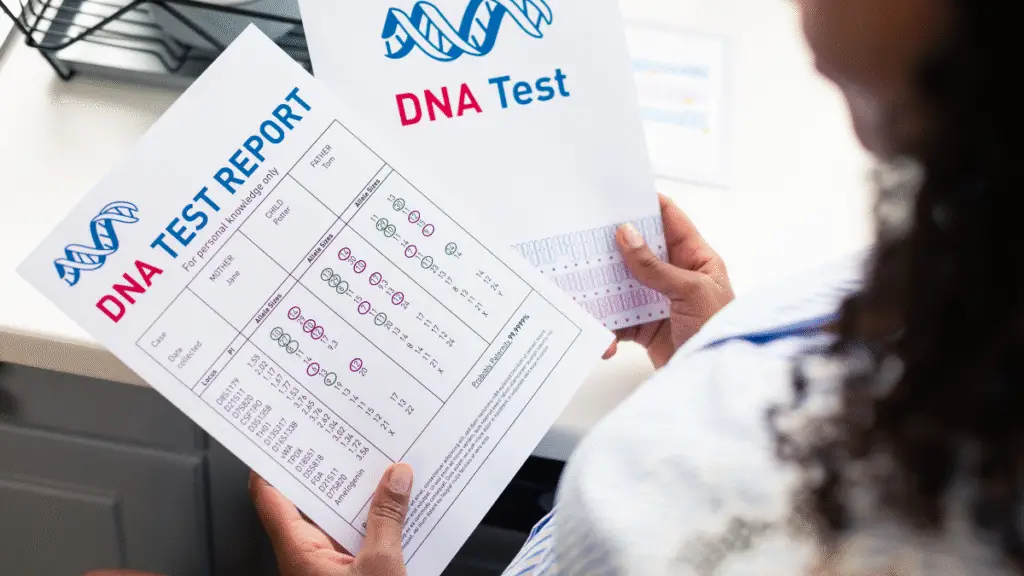
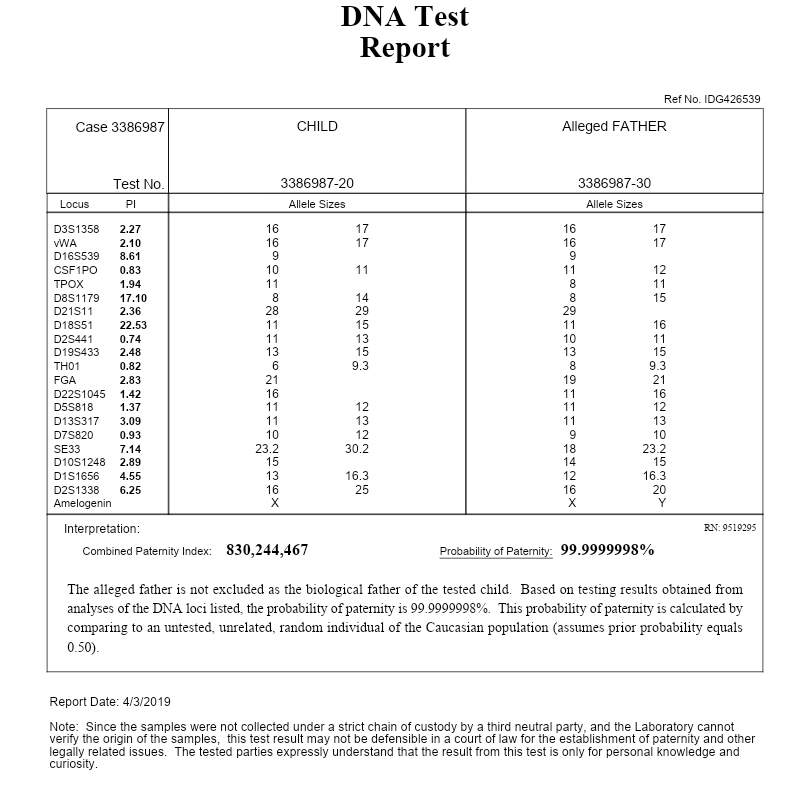
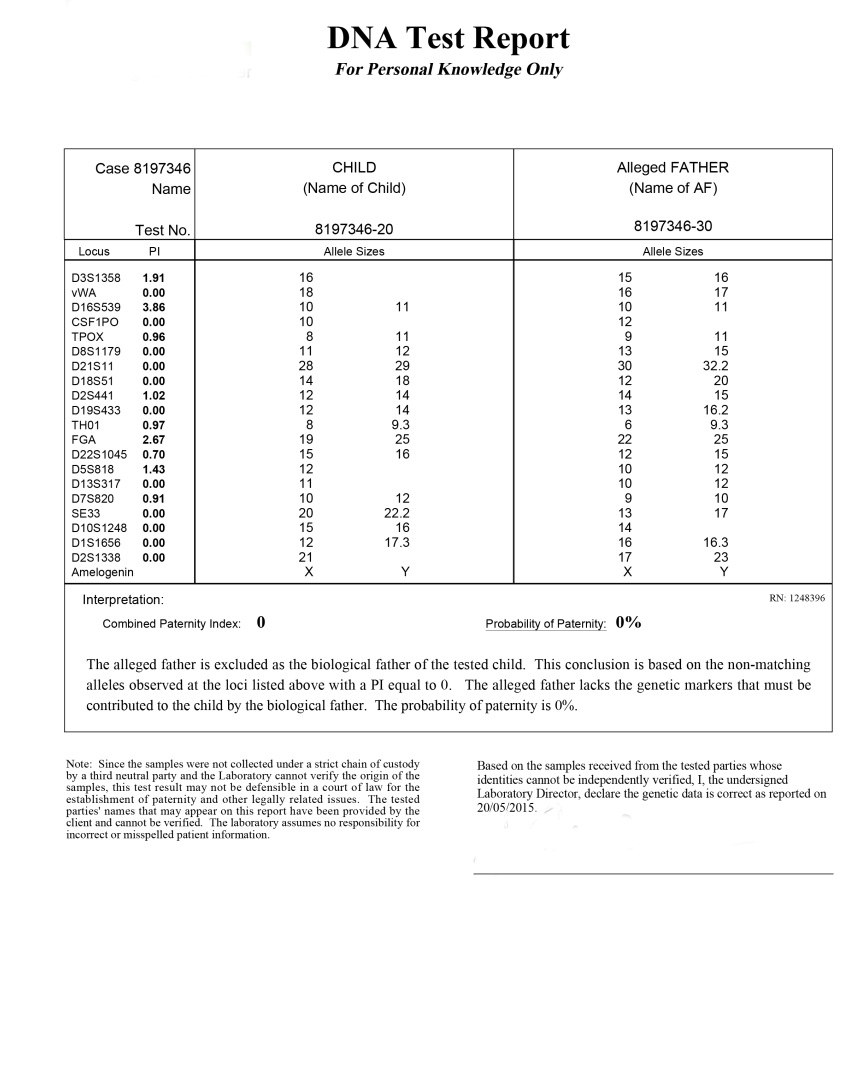
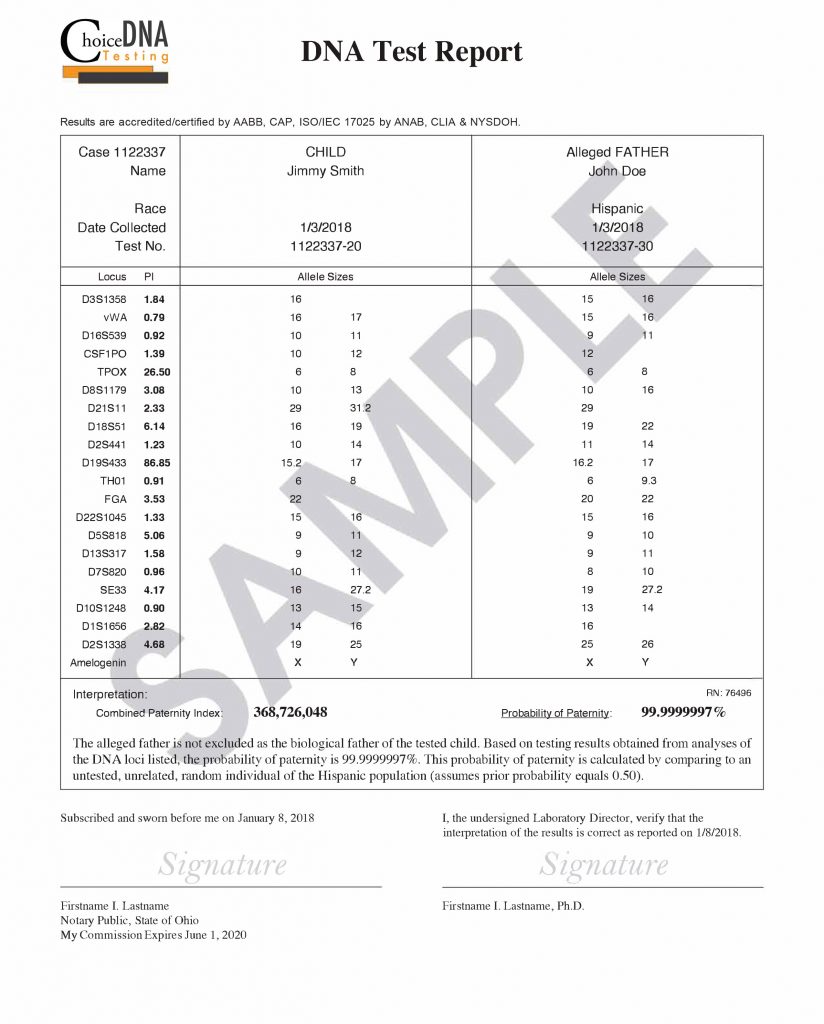
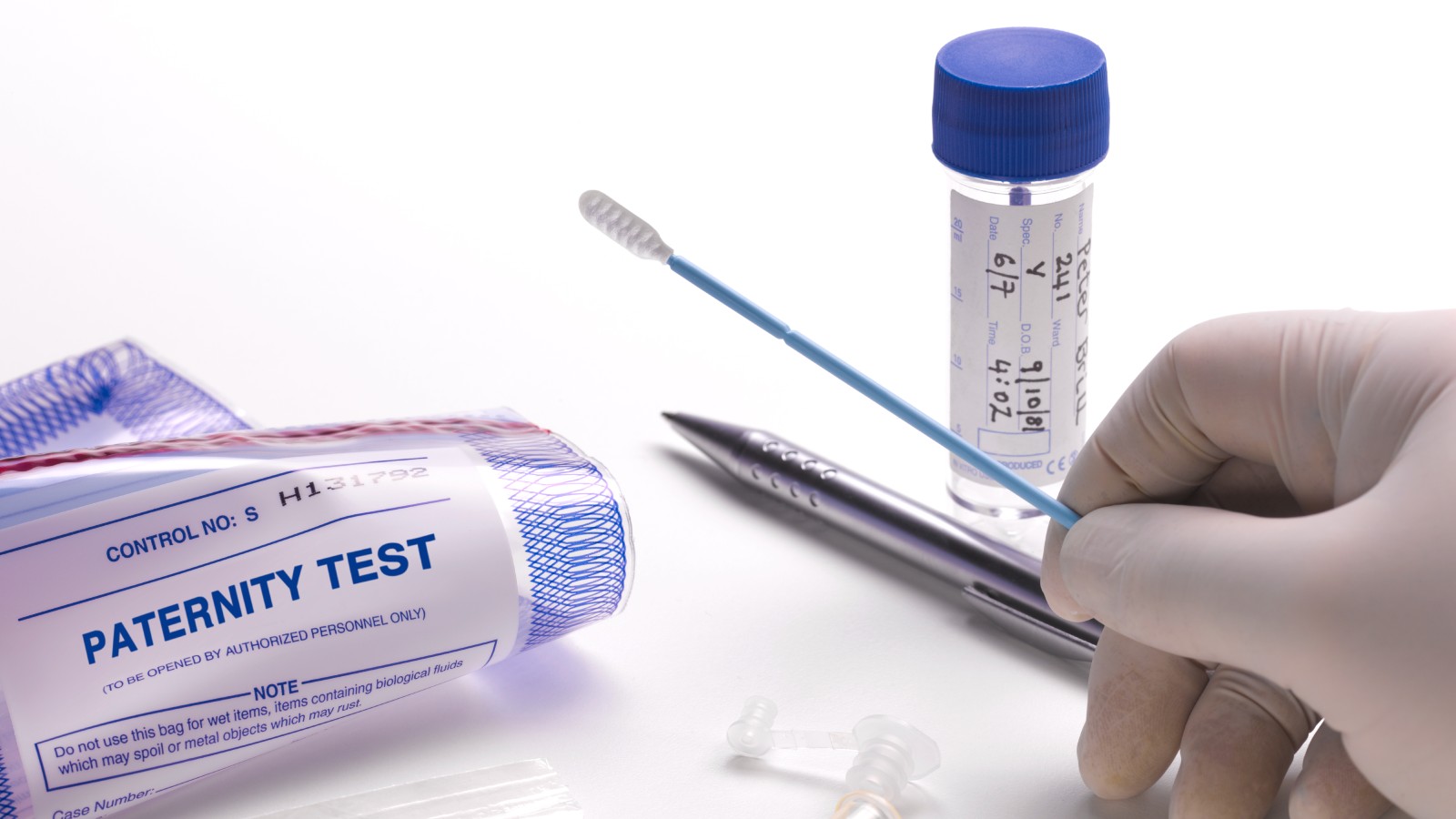
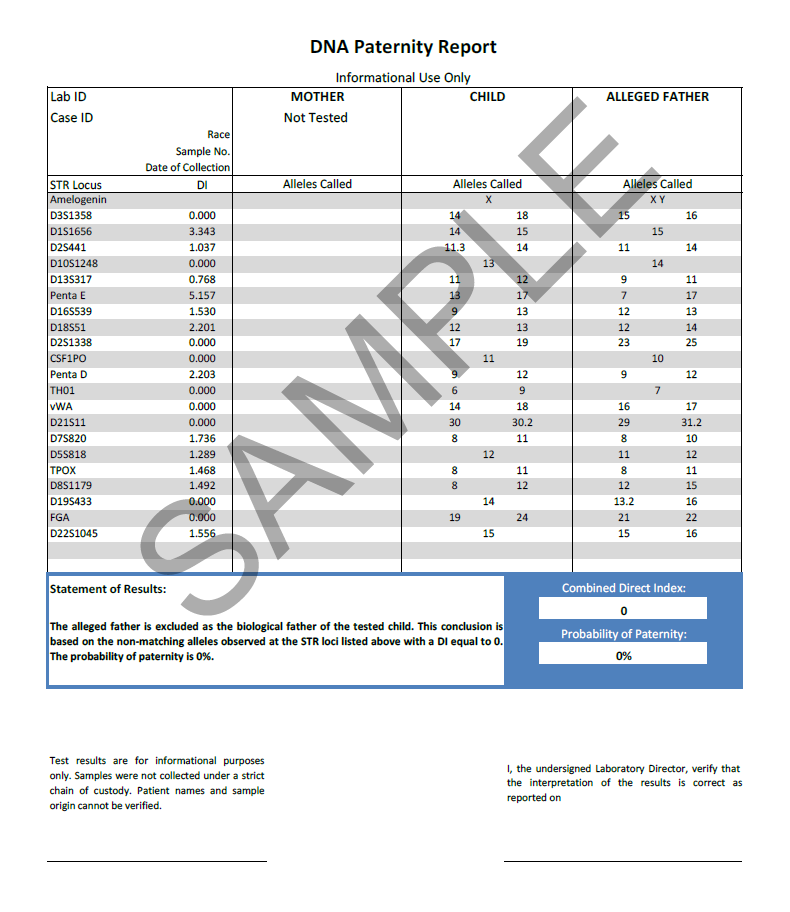
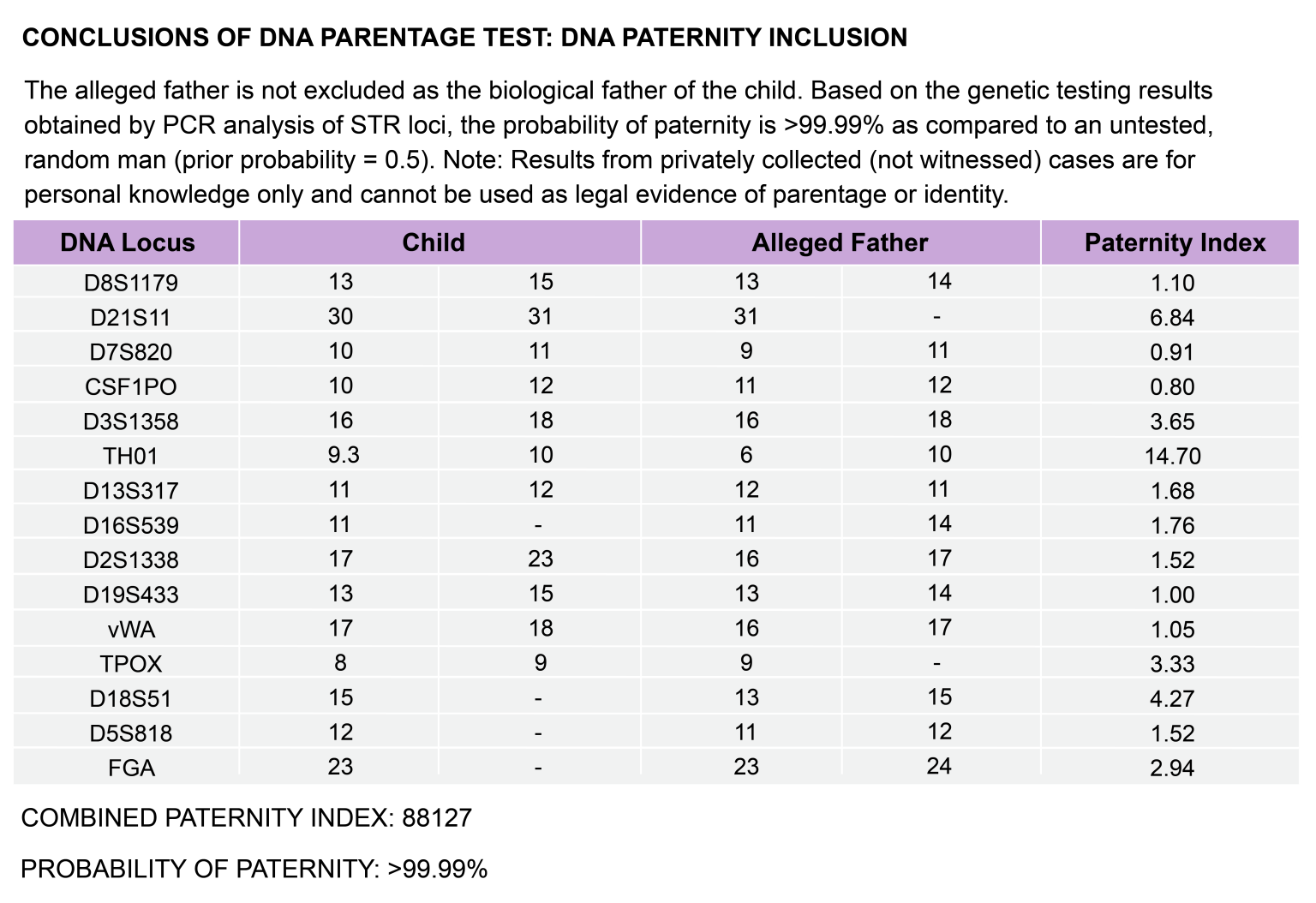
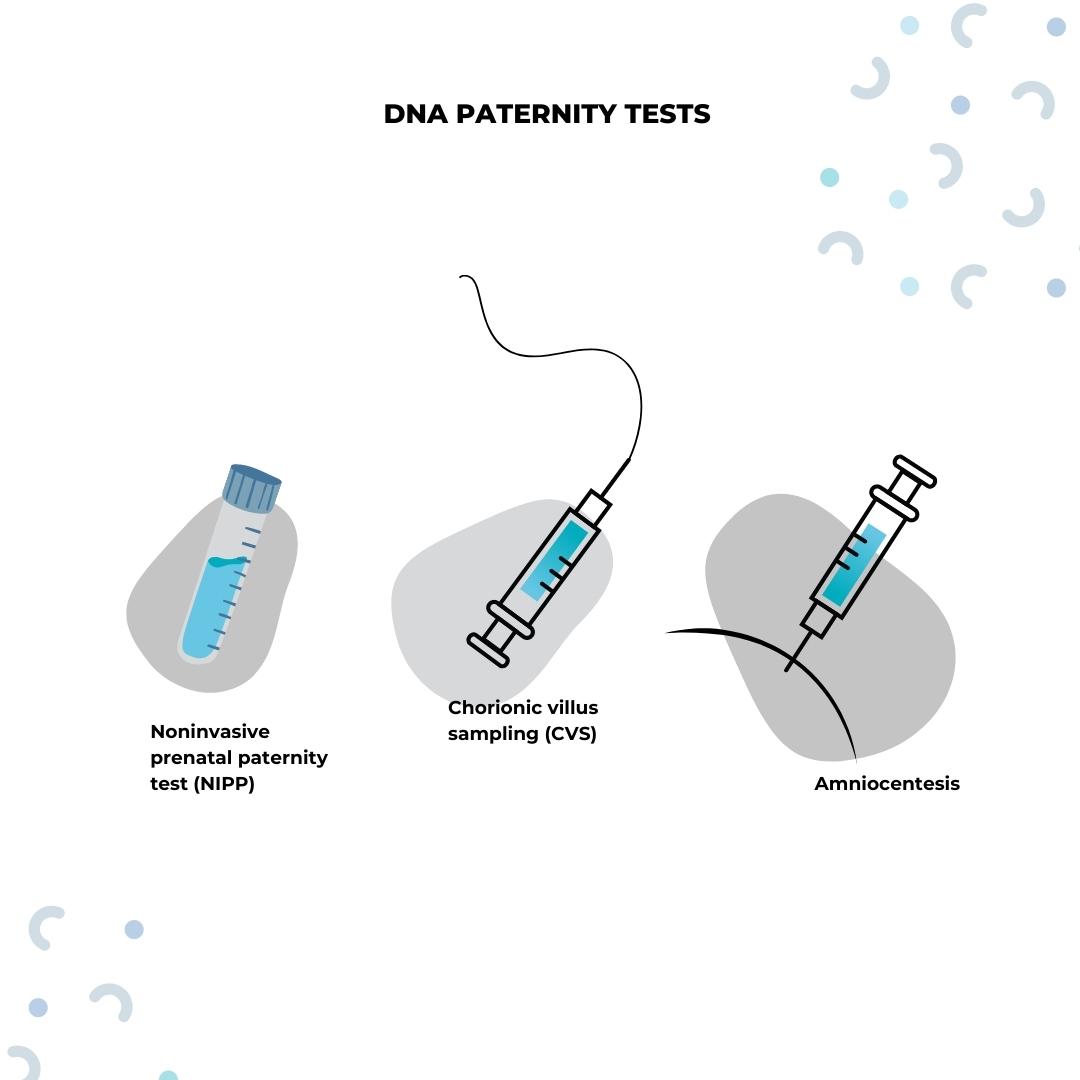
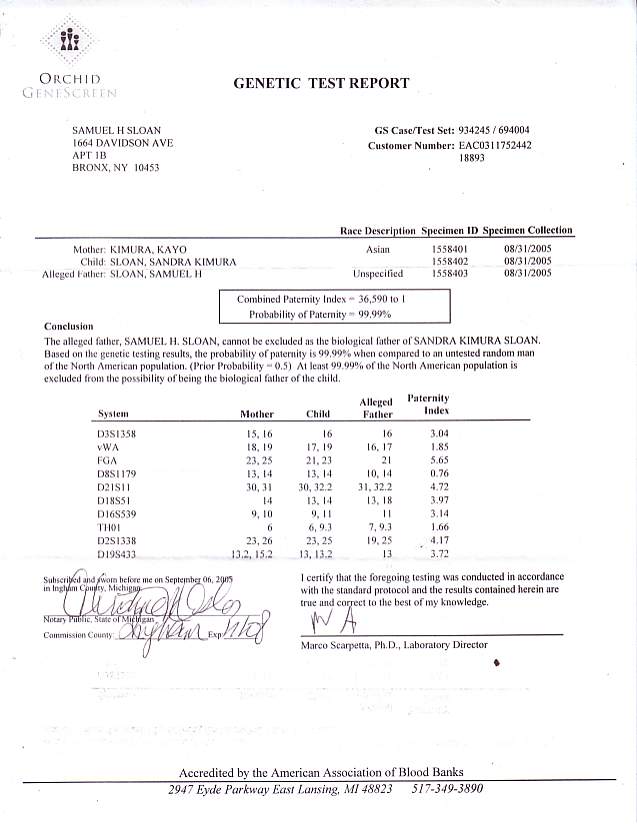
- Paternal Lineage: DNA tests can confirm paternity or identify the biological father of a child.
- Admixture Information: DNA tests can provide information about an individual's admixture, or the percentage of their DNA that comes from different ancestral populations.
- Chromosomal Abnormalities: DNA tests can detect chromosomal abnormalities, such as deletions or duplications. li>Carrier Status: DNA tests can determine whether an individual is a carrier of a particular genetic condition.
- Pharmacogenetics: DNA tests can provide information about an individual's genetic response to certain medications.