Understanding the Implications of Export License
Export licenses are a crucial aspect of international trade, ensuring that goods and technologies are transferred across borders in a controlled manner. As a pivotal element in the global trade ecosystem, export licenses are governed by a complex web of regulations and laws, making compliance a daunting challenge for businesses.
Definition of Export License
An export license is a government document that authorizes or grants permission to conduct a specific export transaction, including the export of technology. Obtaining the necessary export licenses is essential for exporters to avoid severe penalties and restrictions on future export activities. The complexity of export licenses arises from the intricate web of regulations and laws governing international trade.
The Regulatory Landscape of Export Licenses

The landscape of export license requirements in the US continues to evolve in response to new regulations and enhanced enforcement mechanisms. Understanding these requirements is crucial for businesses engaging in global commerce, as non-compliance can result in severe penalties and restrictions on future export activities.
Types of Export Licenses
There are various types of export licenses, each with its own specific requirements and regulations. Understanding the different types of export licenses is essential for compliance and effective trade management. Some of the most common types of export licenses include:


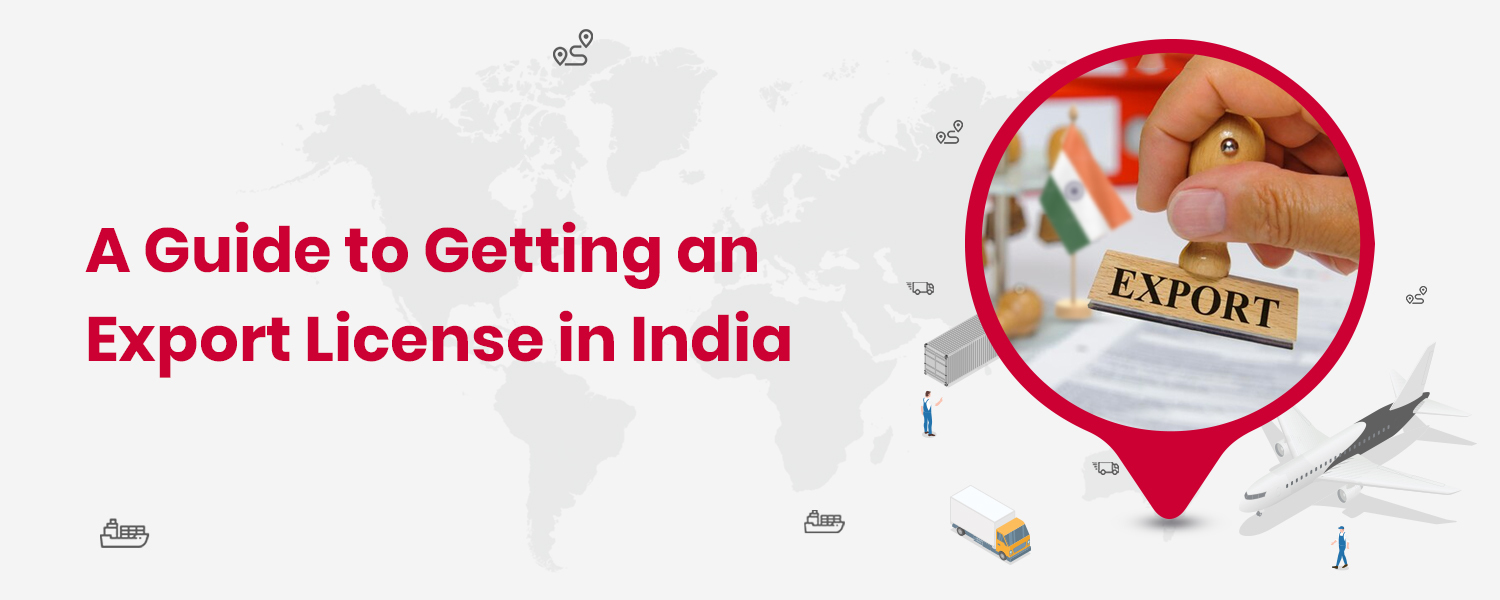


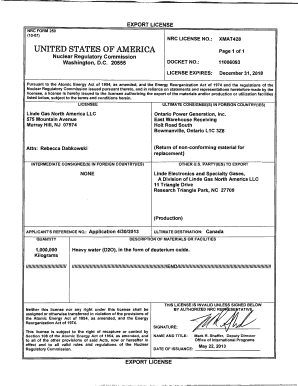




.jpg "What is an Export License: Types and Applications Guide")